How Non-Fungible Tokens (NFT) Influence The Market Of Collectibles And Antiques
TechnologyBit News Today2 min read
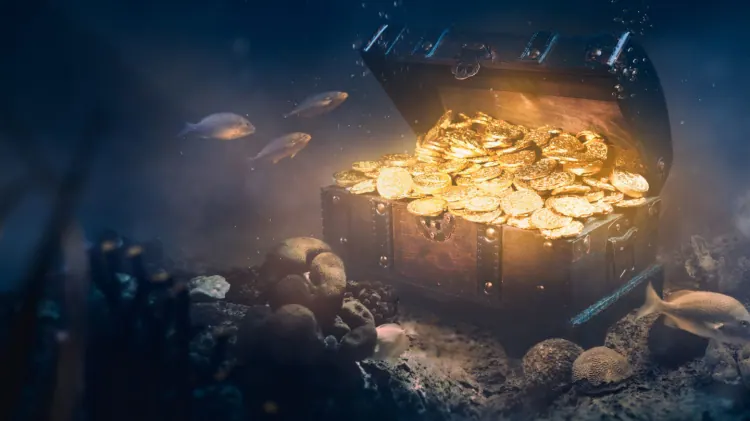
Non-fungible tokens, commonly known as NFTs, are individual digital items with verifiable scarcity and uniqueness. They function as Ethereum-based assets capable of representing one-of-a-kind digital or physical items, such as collectibles, art, and real estate.
NFTs: The Basics
At their core, NFTs are digital items that are provably scarce and unique. They're powered by the Ethereum blockchain, and each token has different properties (its non-fungibility) and a unique ID that allows ownership to be proven on the blockchain. In contrast, tokens such as USDC on the Ethereum network are fungible because each unit is completely identical and shares the same traits.
Think of it this way: you wouldn't trade a baseball signed by Babe Ruth for any old regular baseball, even though they might look identical. Similarly, an NFT can represent something unique, like a piece of digital art, a collectible, or even real estate. A publicly verifiable Ethereum address holds the ownership of an NFT in a smart contract. Launching on a public network like Ethereum lowers the expense and difficulty of confirming that a specific asset is authentic, original, unique, and properly owned. When you create (or "mint") an NFT, the smart contract assigns it a unique ID and attached metadata describing what it represents. Hard caps on supply and persistent unchanging properties can be encoded into the NFT by the smart contract.
NFTs and Collectibles: A Match Made in Heaven
In a word: provenance. The provenance of an NFT - in essence, its full ownership history - can always be checked thanks to the blockchain ledger.
And that authenticity means a lot for collectors, as anyone who's paid a premium for a rare penny knows. Even if an artist later mints additional identical artworks, public records will permanently confirm which tokens belonged to the initial release versus subsequent editions.
Imagine an artist who sells their first painting for $10,000.
The Future of Collectibles
Because NFTs feature traits that reflect real-world collectibles, crypto insiders hope they will attract the general public to the ecosystem.
These digital items on the Ethereum blockchain are driven and created by computer programs known as smart contracts.