Unprofitable Mining. How Bitcoin Price Decrease Affected Mining Future
NewsBit News Today2 min read
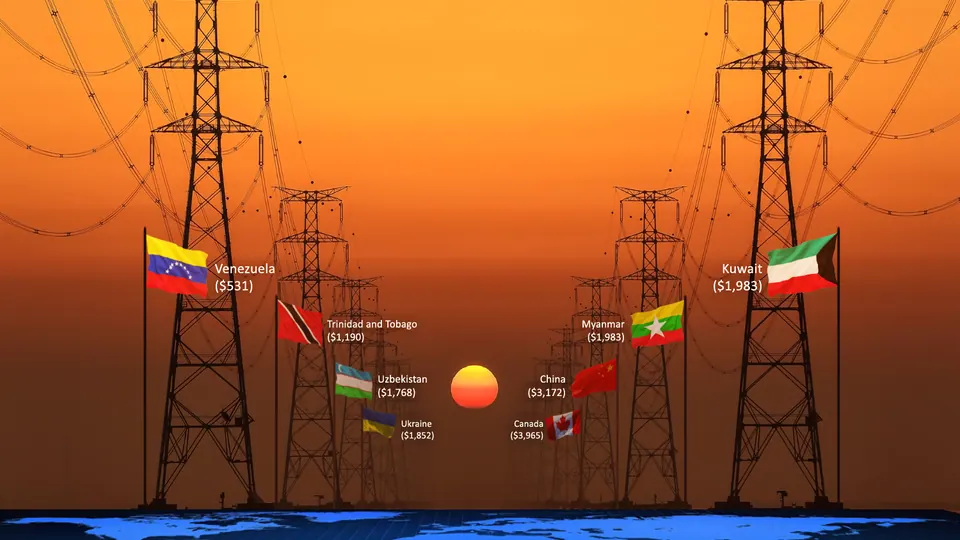
Drops in bitcoin prices below production costs have rendered numerous Chinese mining operations unsustainable. According to US exchange Coinbase, the cryptocurrency slid 17 percent in under 24 hours to reach $4,300.
The Cost of Unprofitable Mining
Trading at roughly $4,500, the world's most valuable cryptocurrency had dropped nearly a third of its value in a single week. Mao noted that when bitcoin's price fell below $4,000 to a 13-month low, farms using less productive equipment manufactured in 2016 and 2017 could not break even. JPMorgan strategists stated that the price drop points to mining becoming unprofitable for certain operations.
JPMorgan Chase & Co. reported that while miners migrating to other tokens may account for part of the downturn, some operators are losing money because of the drop in bitcoin prices.
China hosts the bulk of bitcoin mining facilities due to its comparatively low electricity prices. During the winter dry season in China, power costs at hydroelectric facilities double compared to when water supplies are plentiful in summer. Mao stated that while fossil fuel plants in Xinjiang provide more stable power generation, electricity expenses still reach at least 0.28 yuan ($0.04) per kilowatt-hour. Mao stated that the situation resulted from an overlap of multiple factors.
Farms Shut Down as Bitcoin Mining Losses Mount
QQ News reported that according to Chinese mining pool F2Pool, older equipment like the AvalonMiner 741 and the Antminer S and T9 are no longer profitable to run in China.
F2Pool's miner revenue index indicated that such hardware, which averages roughly 10 TH/s in hash power, was operating at a loss. Following the price plunge, several small and mid-sized mining facilities in locations like Xinjiang and Inner Mongolia shut down and sold their hardware.
According to the South China Morning Post, Hong Kong-based mining platform Suanlitou stated that it could not cover its electricity costs for a 10-day stretch in November. Another Chinese crypto mining operation reportedly deactivated 20,000 rigs because of declining profitability.
The industry pressure sparked viral images in China of rigs being sold for scrap or thrown away, though many observers dismissed these claims as FUD.
US-based miner Giga Watt became a major casualty of the crash, entering Chapter 11 bankruptcy after being unable to service approximately $7 million in liabilities. Filing the case on Monday in Eastern District of Washington, the US company told the court that it is “insolvent and unable to pay its debts when due,” according to local media reports. Giga Watt stated that its assets totaled under $50,000 against liabilities ranging between $10 million and $50 million.
Filtering the Losers
Although the downturn poses challenges for mining companies, hardware producers, and their investors, it may offer advantages to PC gamers. The hash rate dropped 11.6 percent from its peak on October 4.
Mao noted that "Bitcoin mining is always a dynamically adjusted process," meaning mining difficulty declines as hash rate falls. Data showed that bitcoin mining difficulty dropped by 5 percent, and Mao noted that miners who persist through the shutdown wave may experience better conditions.