Countries where the cryptocurrencies are banned: busted for Bitcoin
RegulationBit News Today2 min read
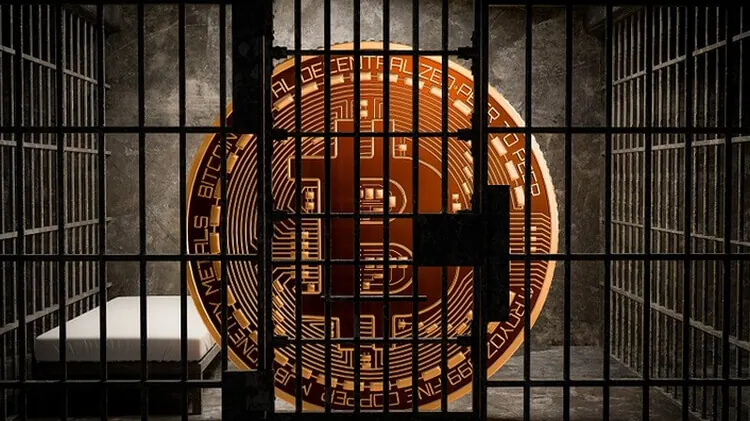
While most countries permit their citizens to purchase and trade Bitcoin, some governments have made involvement with it an offence punishable by imprisonment. National rules on Bitcoin differ widely alongside total bans enacted by Algeria, Bolivia, and Ecuador.
Overview of global crypto bans and penalties
In Bangladesh, engaging with Bitcoin is a jailable violation under anti-money laundering legislation, and using it can also lead to jail time in Macedonia and Nepal. Even countries not quite that strict on Bitcoin have policies discouraging its use. In Cambodia, the central bank discourages Bitcoin and refuses to recognise or accept it, while Indonesia prohibits its use as a means of payment. As Bitcoin's widespread appeal draws more people into the broader cryptocurrency market, further regulation is likely, but varying levels of adoption and government intervention mean the inconsistent legal landscape will persist.
Prohibitions across Latin America and Southeast Asia
Bolivia's central bank introduced an official digital currency policy on May 6, which gained attention after being reported by the Spanish-language news outlet PanAm Post.
Christian Nubis, chief product officer at the Latin American exchange Bitex.la, downplayed the regional fallout from Bolivia's policy, arguing that "Bolivia is not a leader in the region on matters of public policy". Sebastian Serrano, CEO of Argentine merchant processor BitPagos, expressed concern that the ruling would offer little support to local startups while blocking Bitcoin from providing economic freedom to citizens. Serrano called the development "very sad, especially considering it is one of the poorest countries in Latin America."
China's comprehensive crackdown on cryptocurrency activities
China, which boasts the largest concentration of Bitcoin miners worldwide, has launched a broad crackdown on cryptocurrency operations. These measures coincide with President Xi Jinping's campaign against financial risk following a decade of market volatility, prompting officials to proactively curb the rapid expansion of virtual currencies.
Chinese authorities have prohibited initial coin offerings, stopped domestic exchanges from trading virtual currencies, barred overseas-listed Chinese firms from bypassing the ICO ban, and targeted foreign platforms alongside Bitcoin mining. Regulators are also watchful of digital currencies providing a way to move money out of China and adding to capital outflows.
As part of an initiative involving the cyberspace administration, the Ministry of Industry and Information Technology, and the central bank, the People's Bank of China has declared the currency illegal.
India's banking ban and legal industry pushback
On April 5, 2018, the Reserve Bank of India announced a prohibition on banks and supervised financial institutions handling digital currencies, giving those already providing such services a three-month deadline to end those relationships.
Some industry players have decided to challenge the move in the Supreme Court. China has declared cryptocurrencies illegal, and both Japan and South Korea have implemented new regulatory frameworks.